The Skandika Office Bike review. A desk bike comfortable enough to replace your office chair?
The Skandika Office Bike review. A desk bike comfortable enough to replace your office chair?

INTRODUCTION
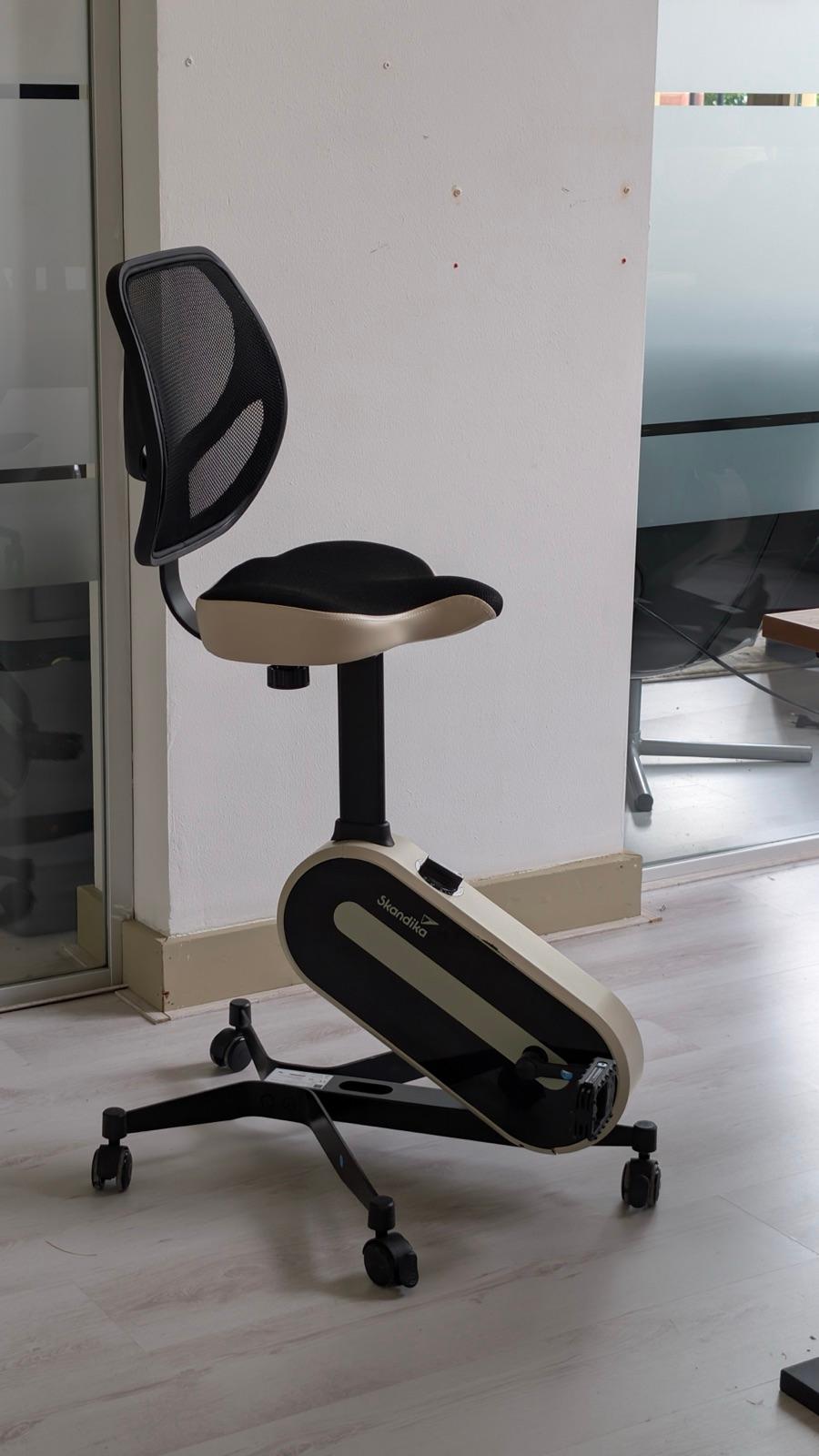
If you are looking for a desk bike, you have likely seen the standard stool-style models. The Skandika Office Bike takes a different approach. It aims to offer the same functionality as a normal deskbike, but adds a significant creature comfort: a backrest. Is this the upgrade your office needs?


DISCLAIMER:

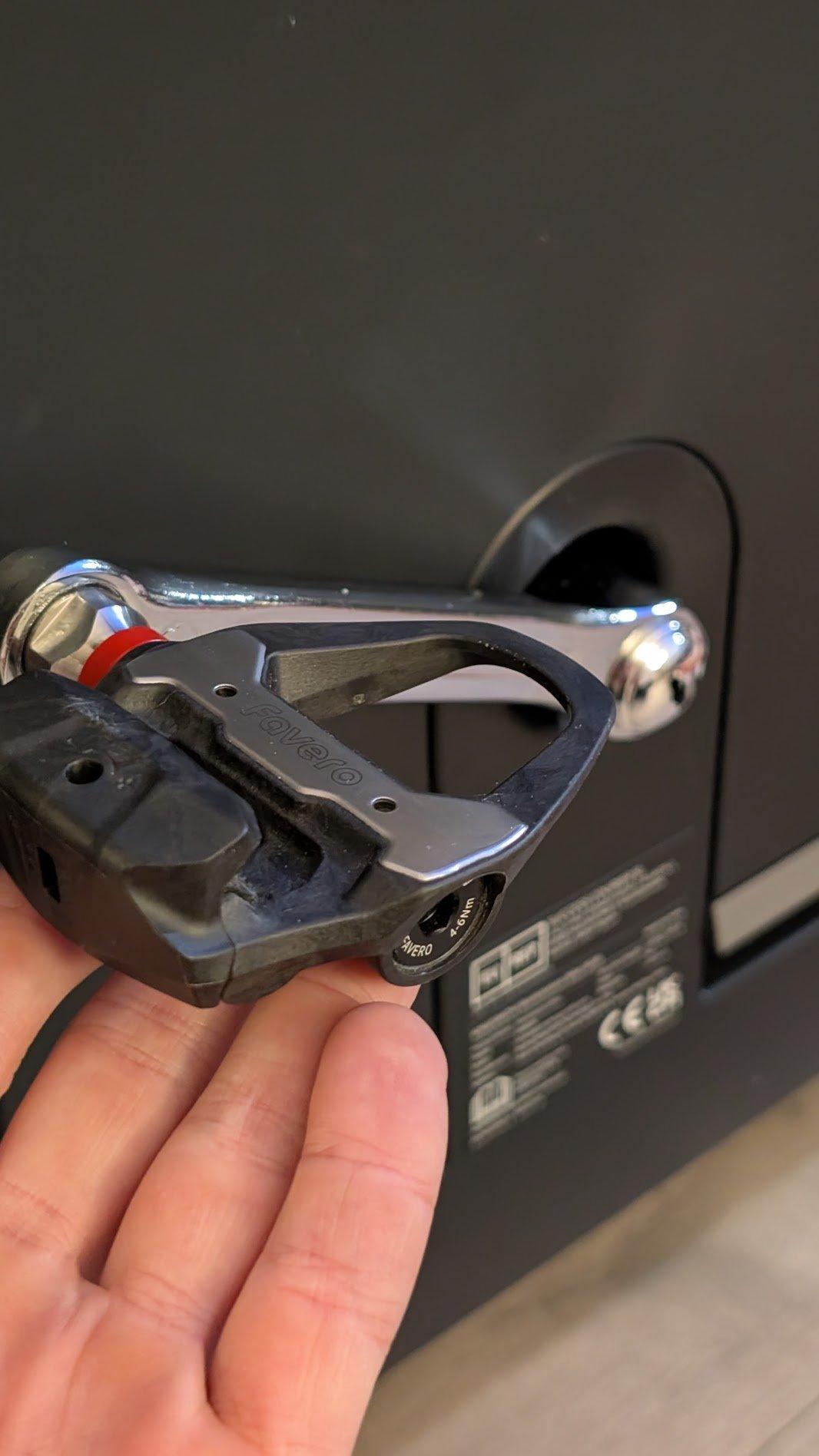
SitZip is 100% independent, avoiding all affiliate links and manufacturer bribes. Our expert cyclist verifies every bike through 40+ hours of testing, using Assioma PRO RS power pedals and physics models to provide lab-grade data on resistance, calorie burn, and joint safety rather than relying on manufacturer claims.


Assembly and Build Quality

Assembly of the Skandika is straightforward and comparable to other mid-to-high-end desk bikes. The bike feels solid once assembled, with no obvious flex during use. The materials are practical rather than flashy: sturdy plastics and metal components that inspire confidence and feel built for daily use.


One thing to be aware of is availability. Deliverability has been inconsistent over time. The Skandika desk bike was previously available via Decathlon and BOL.com but is no longer sold there. At the time of writing, it can be found on Amazon, and Skandika's official website (cheapest option!)


Ergonomics and Adjustability

This is where the Skandika both shines and frustrates. Unlike most desk bikes, it features a seat with a backrest, which fundamentally changes the experience. In theory, this makes it the most ergonomic option for long sessions, and in practice, it can be, but only after some experimentation.


The relationship between seat height, backrest position, and pedaling posture is not immediately obvious. For some users, the backrest may initially feel too far away, encouraging a posture that takes time to adapt to.


The key is experimentation. By adjusting the seat slightly higher or lower than you might expect, you can dramatically improve how the backrest supports your lower back. Once you find the right configuration, the posture clicks into place.


When it does, this is the most comfortable desk bike we have tested so far, especially for longer, low-intensity sessions.

Crank Length and Pedaling Feel of the skandika desk bike

The Skandika uses 120mm crank arms, which is shorter than a traditional road bike and noticeably shorter than models designed for maximum biomechanics. Shorter cranks reduce the range of motion in your legs. This makes pedaling feel a bit more compact and less “bike-like,” but it also contributes to comfort and reduces joint strain.


INTRODUCTION
If you are looking for a desk bike, you have likely seen the standard stool-style models. The Skandika Office Bike takes a different approach. It aims to offer the same functionality as a normal deskbike, but adds a significant creature comfort: a backrest. Is this the upgrade your office needs?


DISCLAIMER:

SitZip is 100% independent, avoiding all affiliate links and manufacturer bribes. Our expert cyclist verifies every bike through 40+ hours of testing, using Assioma PRO RS power pedals and physics models to provide lab-grade data on resistance, calorie burn, and joint safety rather than relying on manufacturer claims.


Assembly and Build Quality

Assembly of the Skandika is straightforward and comparable to other mid-to-high-end desk bikes. The bike feels solid once assembled, with no obvious flex during use. The materials are practical rather than flashy: sturdy plastics and metal components that inspire confidence and feel built for daily use.


One thing to be aware of is availability. Deliverability has been inconsistent over time. The Skandika desk bike was previously available via Decathlon and BOL.com but is no longer sold there. At the time of writing, it can be found on Amazon, and Skandika's official website (cheapest option!)


Ergonomics and Adjustability

This is where the Skandika both shines and frustrates. Unlike most desk bikes, it features a seat with a backrest, which fundamentally changes the experience. In theory, this makes it the most ergonomic option for long sessions, and in practice, it can be, but only after some experimentation.


The relationship between seat height, backrest position, and pedaling posture is not immediately obvious. For some users, the backrest may initially feel too far away, encouraging a posture that takes time to adapt to.


The key is experimentation. By adjusting the seat slightly higher or lower than you might expect, you can dramatically improve how the backrest supports your lower back. Once you find the right configuration, the posture clicks into place.


When it does, this is the most comfortable desk bike we have tested so far, especially for longer, low-intensity sessions.

Crank Length and Pedaling Feel of the skandika desk bike

The Skandika uses 120mm crank arms, which is shorter than a traditional road bike and noticeably shorter than models designed for maximum biomechanics. Shorter cranks reduce the range of motion in your legs. This makes pedaling feel a bit more compact and less “bike-like,” but it also contributes to comfort and reduces joint strain.


performance: Real Wattage Numbers of the skandika desk bike

We measured output at a consistent cadence to understand what this bike can realistically deliver.

  • At 60rpm at the highest resistance level (8 out of the 8 levels it provides), the maximum resistance tops out at 155 watts. This is equivalent to cycling at 30km/h or 19 mp/h. This means that, if you want to, you can really use this bike for a workout. But that's most likely not why you are purchasing a desk bike. Fortunately, the Skandika has enough lower-level intensity settings for you to be able to find a suitable resistance.


This places the Skandika firmly in the moderate-intensity category. It is well-suited for:

  • Long working sessions

  • Steady-state movement

  • Users prioritizing comfort over maximum power output


It is not designed for high-intensity training or sprint-style efforts. The internals do not appear to support this as one of the models developed a noise after stress testing (read: biking as hard as possible) but that aligns perfectly with its ergonomic, back-supported design.


Stability, Noise, and Portability

Thanks to its weight and seating position, the bike feels stable during use. Even when pedaling at higher resistance levels, there is no slipping or wobbling, unless you set it to max resistance and give it everything you've got.

Noise levels are very office-friendly. It is quiet enough for shared workspaces and video calls, with no mechanical squeaks or rattling during our tests.


how to make the skandika desk bike smart?

Without an app, a desk bike can easily feel ineffective. Despite well-documented health benefits, the low-effort nature of the movement often makes it hard to recognize that you’re actually exercising. Visualizing your output is essential to validate the session and understand the real work your body has done.


As with other desk bikes we have calibrated, you can connect this model to the SitZip app to solve this problem.

  • How to Connect: Simply pick up a Garmin cadence monitor and attach it to the crank arm.

  • Why do this? This allows you to track kilometers driven, link a heart rate monitor, and race against friends or colleagues directly through the app. Because we have calibrated the difficulty levels for this machine, you can input the setting into the app to ensure your distance and effort stats are accurate.


connecting the sitzip app to the skandika desk bike

In the video below we show you how to connect a desk bike (in this example the Kingsmith W1B) to our app. Note that the process is exactly the same for the Skandika Office Bike!

our Verdict on the skandika desk bike: ⭐️⭐️⭐️⭐️☆ (4/5)

The Skandika desk bike is not the most athletic-feeling model on the market, and it doesn’t try to be. Instead, it offers something rarer: true seated comfort.


The learning curve in adjustability is real, and the backrest position won’t be perfect out of the box for everyone. But if you are willing to spend some time dialing in the seat height and posture, you’ll be rewarded with the most comfortable desk bike experience we’ve tested to date.


If your priority is long, sustainable movement during work, rather than maximum power or a road-bike feel, this is an excellent choice.


Not sure about desk bikes yet? Read more:

Read more desk bike reviews
Why using a desk bike is a good way to lose weight
Start using desk bikes & SitZip within your business


about the author, vICTOR SANNER

I’m Victor Sanner, and I lead the testing at SitZip. As a Dutch cyclist, mountain biker, and motorcyclist, I have a lifelong interest in the intersection of health and technology and everything on two wheels. My focus is applying professional cycling standards to office fitness to ensure our reviews are grounded in physics, not marketing. You can find my professional history on LinkedIn or email me at victor@sitzip.com.

A companion app for your desk cycle.


© SitZip, 2025

All rights reserved

Scan to download
Connect

Address

Kloosterlaan 174.

Breda,

the Netherlands


A companion app for your desk cycle.


© SitZip, 2025

All rights reserved

Scan to download

Connect

Address
Kloosterlaan 174, Breda

the Netherlands

A companion app for your desk cycle.


© SitZip, 2025

All rights reserved

Scan to download
Connect

Address

Kloosterlaan 174.

Breda,

the Netherlands